Disclosure This site utilizes affiliate links to support our editorial operations. If you purchase through our links, we may earn a commission. This does not impact our analysis.
The Truth About Modern Hydration and Mineral Depletion
Why drinking a gallon of purified water a day might be doing more harm than good, and how the supplement industry is failing to address chronic cellular dehydration.
Published March 2026
The Illusion of Hydration
We Are Over-Watered and Under-Mineralized
The prevailing wellness advice for the last two decades has been singular: drink more water. However, as consumers have shifted away from mineral-rich municipal sources toward heavily filtered, reverse-osmosis, and bottled water, an unintended consequence has emerged.
Pure H2O, devoid of trace minerals, acts as a solvent within the body. When consumed in large quantities without accompanying electrolytes, it actively flushes sodium, potassium, and magnesium from the system. This phenomenon, mild hyponatremia, presents symptoms commonly misattributed to other causes: mid-afternoon lethargy, persistent brain fog, tension headaches, and muscular cramping.
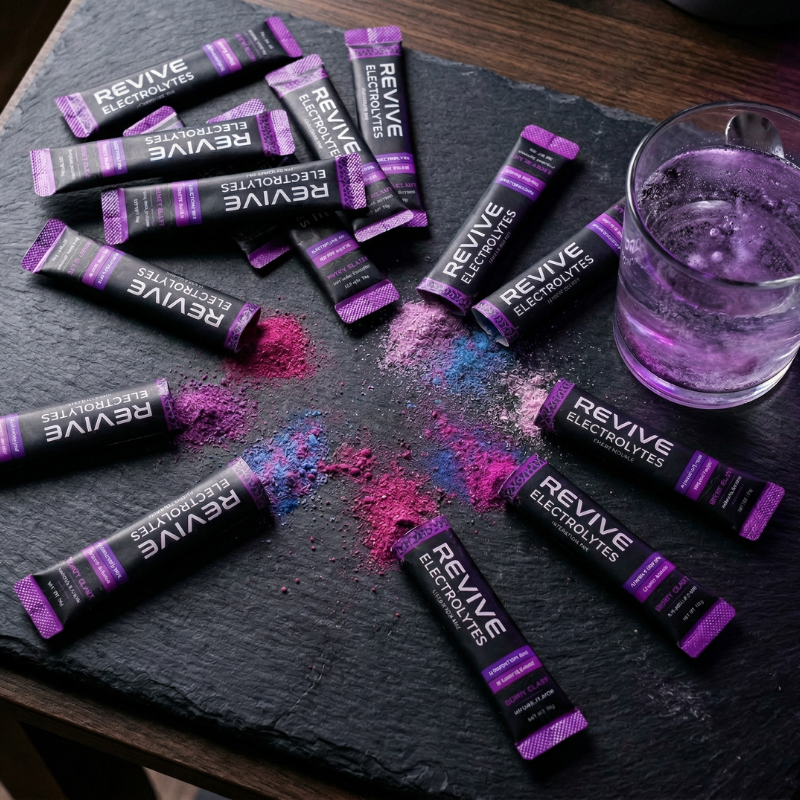 The market is flooded with options, but few address the root cause of mineral depletion.
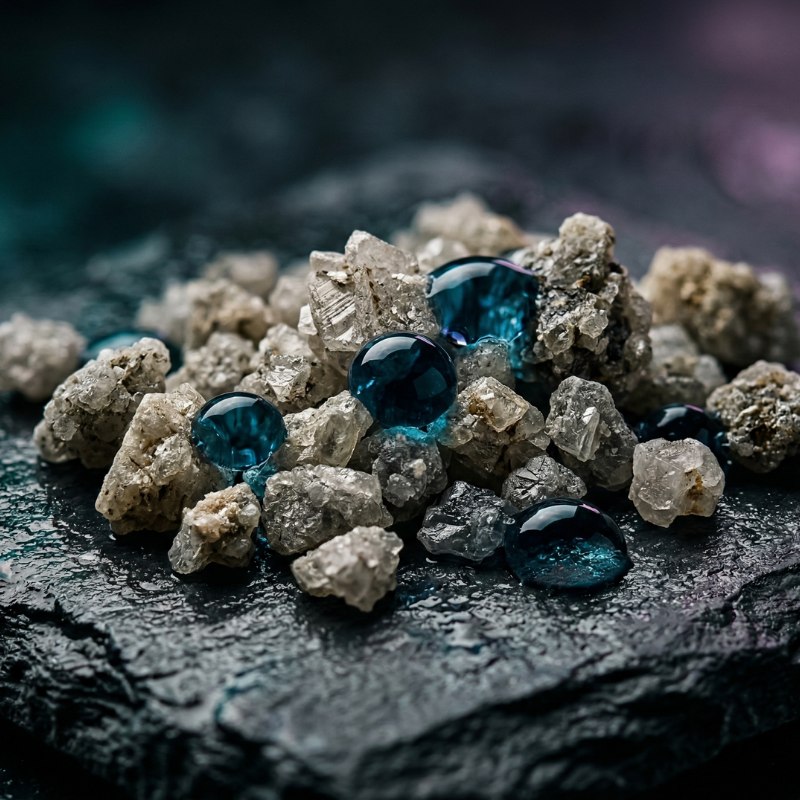 True hydration occurs at the cellular level and requires a complex matrix of trace minerals.
The Sports Drink Fallacy
The legacy solution to this problem—commercial sports drinks—is fundamentally flawed. Formulated in the 1960s, these beverages were designed for acute glycogen replenishment during extreme endurance events, not daily hydration.
A standard bottle contains over 30 grams of refined sugar, artificial dyes (such as Red 40 and Yellow 5), and a relatively negligible amount of synthetic sodium. For the modern consumer working at a desk, engaging in moderate exercise, or adhering to a low-carbohydrate diet, these sugary solutions are entirely inappropriate.
We Tested the Market Leaders
Our editorial team spent 72 hours testing and analyzing the ingredient panels of the top five hydration supplements on the market. Only one met our strict criteria for unrefined mineral sourcing and zero-sugar formulation.
Read Our Deep-Dive ReviewOur Evaluation Criteria
We do not rely on marketing claims. We analyze the raw data.
1. Mineral Sourcing
We penalize brands utilizing cheap, synthetic mineral isolates. We reward formulas that source unrefined sea salts (like Sel Gris) and deep-ocean trace minerals, which offer superior bioavailability.
2. Glycemic Impact
A daily hydration supplement must not disrupt metabolic stability. We outright disqualify products relying on maltodextrin, sucrose, or artificial sweeteners. Zero-calorie, zero-glycemic formulations are mandatory.
3. Clinical Dosing
A "sprinkle" of sodium is insufficient. We look for clinical doses aligned with modern sports science—specifically, a minimum of 800mg to 1000mg of sodium per serving to actually offset sweat losses.
The 2026 Editor's Choice
Discover which formula outperformed the industry standards.
View the Full Analysis